

How to Maintain Weight Loss After Stopping GLP-1 Medications

You've lost weight with the help of Ozempic, Wegovy, Zepbound, or another GLP-1 medication.
But now you're wondering what happens if you stop taking it.
Will your appetite come back? Will you regain the weight? And is there anything you can do to help maintain your progress?
Maintaining weight loss after stopping GLP-1 medications can be challenging because the appetite-suppressing effects fade and weight regain is common, but consistent eating habits, muscle-preserving strength training, regular activity, and support from your healthcare provider can improve your odds of long-term weight management.
If you're considering stopping GLP-1 treatment or worried about what comes next, this is the part that matters most: nutrition and exercise alone cannot guarantee that weight won't return, and maintaining weight loss is often different from losing it in the first place.
Your appetite may increase, your body's energy needs may shift, and the routines that worked during treatment may need adjustments. That's why it helps to understand what happens after stopping GLP-1 medications, why regain can happen, how to prepare for maintenance, which nutrition and fitness strategies are most useful, when to involve your healthcare team, and how individualized coaching can support a realistic long-term plan.
What Happens When You Stop Taking GLP-1 Medications?
GLP-1 medications have changed the way many people approach weight management.
Medications such as Wegovy and Ozempic contain semaglutide, while Zepbound contains tirzepatide, which acts on both GLP-1 and GIP receptors. These medications influence appetite, fullness, and other processes involved in weight regulation.
For many people, that means feeling satisfied with less food and experiencing fewer hunger signals while taking the medication.
But what happens when treatment ends?
As the medication gradually leaves your system, its appetite-related effects diminish.
You may notice that you're hungry more often, that your usual meals don't keep you satisfied as long, or that you're thinking about food more frequently.
For some people, weight begins to increase again. And research suggests this is a common experience after stopping treatment.
A clinical trial extension published in Diabetes, Obesity and Metabolism followed participants after they stopped taking semaglutide. Researchers found that, on average, participants regained approximately two-thirds of their previous weight loss over the following year.
These findings don't mean everyone who stops taking a GLP-1 medication will regain the same amount of weight. The study followed a specific group of participants, and individual experiences can vary depending on treatment, health history, and other factors.
But the research highlights something important.
Weight maintenance after GLP-1 medication deserves just as much attention as weight loss during treatment.
Understanding why weight regain can happen is a useful place to start.
Why Does Weight Regain Happen After Stopping GLP-1s?

It's easy to assume that weight regain happens because someone goes back to their old habits.
Sometimes changes in eating and activity patterns do play a role.
But there's more going on than that.
Your body has biological systems that influence appetite, energy expenditure, and weight regulation. Those systems don't simply disappear because you've lost weight.
Appetite and Fullness Can Change
One reason GLP-1 medications can help with weight loss is that they influence hunger and fullness.
While taking medication, you may find that smaller meals feel satisfying or that you're less interested in snacking. They also affect signaling in the brain, which can reduce hunger and food-related reward cues while treatment is active.
When treatment stops, those effects can diminish.
You may feel hungrier than you did during treatment, even if your meals haven't changed. That can make it more difficult to maintain the same eating pattern.
And it doesn't necessarily mean you're doing something wrong.
Your appetite is influenced by biological processes, not just personal discipline.
Your Body May Need Less Energy After Weight Loss
After weight loss, your body generally needs fewer calories to maintain its new weight than it did at your previous weight. Stopping GLP-1 treatment also leads to faster gastric emptying, so food may leave the stomach sooner and fullness may not last as long. When treatment stops, some people may also see greater blood sugar level variance, which can affect hunger and energy.
At the same time, the amount of food needed for maintenance may be greater than what you were eating while actively losing weight.
Biological adaptations to weight loss can also affect hunger and energy expenditure, which may make maintaining your progress more challenging.
The goal isn't to keep cutting calories indefinitely.
It's to develop an eating pattern that meets your nutritional needs while supporting a realistic maintenance plan.
Old Eating and Activity Patterns May Return
There's also the practical side of weight management.
Maybe you were eating smaller portions because your medication made you feel full quickly. Perhaps you weren't experiencing much hunger between meals, or your eating routine became easier to manage while your appetite was reduced.
When those effects change, you may need a different strategy, including a consistent schedule so you're eating every three to five hours instead of letting long gaps create chaotic hunger.
Add in work, family responsibilities, travel, poor sleep, or a busy schedule, and maintaining consistent habits can become more difficult. If meals will be farther apart, a planned protein- or fiber-rich snack may help.
That's why I believe long-term weight management needs to be built around your actual life.
Not the perfect schedule you wish you had. Hydration matters too, since thirst can be mistaken for hunger and can affect appetite management.
How to Prepare for Weight Maintenance Before Stopping GLP-1 Medication

If you're considering stopping a GLP-1 medication, it's worth thinking about your maintenance plan before making any changes, and some patients also talk with their clinician about whether tapering to a lower dose makes more sense than stopping abruptly.
The first step is talking with the healthcare professional who prescribed your medication. They can help you understand your treatment options, what to expect, and whether stopping medication is appropriate for your health.
From a nutrition and fitness perspective, there are also some useful questions to consider.
What does your current eating routine look like?
Are you regularly eating balanced meals? Are you getting enough protein and other essential nutrients? Or have you been relying primarily on reduced appetite to manage how much you eat?
What does your exercise routine look like?
Are you doing strength training? Walking regularly? Finding ways to stay active throughout the day?
What happens when life gets busy?
Do you have meals you can prepare quickly? Activities you enjoy? A realistic plan for weeks when your schedule changes?
How will you monitor your progress?
Weight trends may be useful, but strength, body composition, activity, and changes in appetite can also provide helpful information.
Consider writing down your answers to these questions before discussing your maintenance plan with your healthcare provider. This can help you identify which habits are already working and where you might need additional support. Reaching a goal weight does not always mean treatment is finished, especially if ongoing support is still needed to manage obesity.
You don't need a complicated tracking system. Having a clearer picture of your current habits can help you and the professionals supporting you identify where adjustments may be useful.
Preparing for maintenance doesn't guarantee that weight regain won't occur. It simply means you're taking a thoughtful approach rather than waiting until challenges appear.
What Should You Consider Before Stopping GLP-1 Medication?
There's no single right answer about whether someone should continue taking a GLP-1 medication, which may be used not only for weight loss but also as part of care for chronic conditions such as obesity, diabetes, or heart disease.
For some people, ongoing treatment may be appropriate, including those who still want to lose more weight. For others, side effects, cost, access, medical considerations, or personal circumstances may lead to a discussion about changing treatment.
Obesity is a chronic condition for many people, and maintaining weight loss may require ongoing medical care. A weight loss medication can be part of long-term treatment rather than a short-term fix.
That's why it's important not to treat stopping medication as something you automatically should do once you've reached a particular number on the scale.
Don't stop taking or change the dose of a prescription GLP-1 medication without consulting your prescribing healthcare professional.
They can help you evaluate the benefits, risks, and available treatment options.
Nutrition and fitness coaching can be valuable parts of weight management, but they don't replace appropriate medical treatment.
Whether you continue medication or stop under medical supervision, building sustainable habits around food, movement, and everyday life still matters.
7 Ways to Support Weight Maintenance After GLP-1 Medications
There isn't one food, supplement, or exercise that can guarantee you'll maintain your weight loss after stopping a GLP-1 medication.
But there are practical habits that can support your health, help you respond to changes in appetite, and make your weight-maintenance routine more realistic.
The National Institute of Diabetes and Digestive and Kidney Diseases emphasizes healthy eating, regular physical activity, and maintaining consistent habits as important parts of long-term weight management.
Here are seven areas I encourage people to think about.
1. Prioritize Protein to Support Muscle Maintenance
When people talk about weight loss, most of the attention goes to losing body fat.
But maintaining muscle matters, too.
Weight loss can involve changes in both fat mass and lean tissue. Getting adequate protein and participating in resistance training can help support muscle maintenance.
Protein also contributes to making meals satisfying, which may be especially helpful if your appetite increases after stopping medication.
Good protein sources include:
Eggs
Greek yogurt
Cottage cheese
Chicken and turkey
Fish
Lean meats
Beans and lentils
Tofu and other soy foods
You don't necessarily need a high-protein diet or a specific protein target that someone on social media recommends.
Your needs depend on your age, health, activity level, body size, and goals.
For example, instead of having toast by itself for breakfast, you might pair it with eggs or Greek yogurt. At lunch, you could add chicken, tuna, tofu, or beans to a salad.
Small adjustments like these can help you include protein more consistently throughout the day.
When I'm helping someone develop a nutrition plan, I look at more than their weight. I also consider how their eating habits support their strength, activity level, and overall health.
2. Build Meals That Help You Feel Satisfied
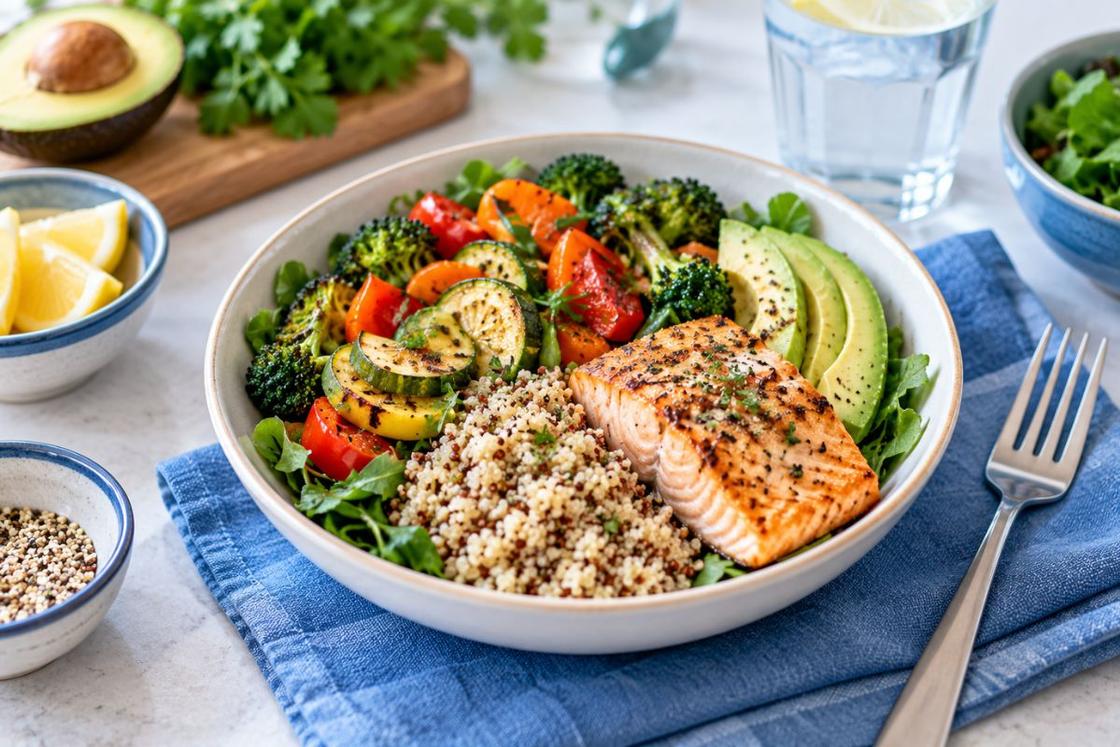
If you've been taking medication that reduces your appetite, you may have gotten used to feeling satisfied with relatively small meals.
When your appetite changes, those same meals may not keep you full as long.
That's where meal composition becomes important.
Instead of simply trying to eat less, focus on building meals that provide a satisfying combination of nutrients.
One useful framework is:
Protein + vegetables + fiber-rich carbohydrate + healthy fat
For example, lunch might include grilled chicken, roasted vegetables, quinoa, and olive oil.
Dinner might be salmon with brown rice, broccoli, and avocado.
Fiber-rich foods such as vegetables, fruits, beans, lentils, and whole grains can help make meals more filling. Including protein and appropriate amounts of healthy fats can also help create balanced meals that fit your nutritional needs.
If you're noticing that hunger returns sooner after meals, take a look at what's on your plate. Adding protein, fiber-rich foods, or healthy fats may help make your meals more satisfying.
This doesn't mean every meal has to look perfect.
It means thinking about what will help you feel satisfied and nourished rather than trying to get through the day on as little food as possible.
If you're looking for practical meal inspiration, you can explore my 20 Fat Burning Recipes.
3. Strength Train to Maintain Muscle and Function

This is one area I believe deserves more attention during weight maintenance.
Losing weight and maintaining a healthy body composition aren't necessarily the same thing.
If you're only looking at the scale, you may not know how much of your weight change involves body fat versus lean tissue.
Resistance training helps support muscle maintenance, strength, and physical function.
And you don't need to become a bodybuilder to benefit.
Strength training might include:
Resistance bands
Free weights
Weight machines
Squats or other appropriate bodyweight exercises
A personalized training program based on your abilities
The Physical Activity Guidelines for Americans recommend that adults include muscle-strengthening activities at least two days per week, along with regular aerobic activity.
If you're new to strength training, start with a manageable routine that matches your abilities. Focus on learning proper technique, building consistency, and gradually increasing the challenge as your strength improves.
At Crossroads to Health, I combine nutrition with individualized fitness training because I believe strength and body composition deserve attention alongside weight.
Your goal shouldn't simply be to weigh less.
It should also include maintaining the strength and physical function that support your everyday life.
4. Stay Active Throughout the Day
Your workouts matter.
But so does what you do outside the gym.
You might exercise several times a week and still spend most of your day sitting at a desk, driving, or relaxing on the couch.
Finding ways to move throughout the day can support your overall activity level and long-term health.
That might mean:
Taking a walk after lunch
Walking while talking on the phone
Getting up regularly during your workday
Gardening or doing yard work
Taking the stairs when practical
Choosing active hobbies you enjoy
You don't need to obsess over a particular step count.
The goal is to create a routine you can continue, even when life gets busy. People who sustain weight loss often average about 300 minutes of activity per week, but building up gradually is more realistic than trying to do everything at once. Moderate-intensity exercise can be as simple as brisk walking or casual cycling.
If your appetite increases after stopping medication, remember that exercise isn't something you need to use to compensate for eating more. Movement should support your strength, health, and well-being, not become a way to make up for food. Regular exercise may also raise your body's own GLP-1 secretion after weight loss, which is one reason movement can help support maintenance.
5. Adjust Your Eating Habits as Your Appetite Changes
One of the biggest adjustments after stopping GLP-1 medication may be learning how to respond to changes in hunger.
Perhaps you weren't thinking much about food while taking medication.
Now you're noticing hunger between meals or finding that you need more planning to feel satisfied throughout the day.
That doesn't mean you need to start another restrictive diet, and gradual lifestyle changes tend to work better for weight maintenance than extreme diets.
It may mean your eating routine needs some adjustments.
You may find that the meal schedule you followed while taking medication no longer works as well. Instead of forcing yourself to stick to it, pay attention to when you're hungry and consider whether a different meal routine would better support your needs.
You might find it helpful to:
Plan balanced meals ahead of time
Keep convenient protein-rich foods available
Include fiber-rich foods regularly
Pay attention to hunger and fullness
Avoid skipping meals simply to compensate for eating more earlier
Consider whether your portions fit your current needs
Successful weight loss maintenance usually depends more on planning for hunger than trying to rely on willpower.
The goal isn't to ignore hunger.
It's to develop an eating pattern that supports your nutrition, activity, and weight-maintenance goals.
If you're looking for a broader explanation of the nutrition and lifestyle habits that support weight management, my article on how to lose weight naturally without GLP-1 medications explores those foundations in more detail.
But remember, maintenance is different from active weight loss.
You may need to adjust your plan rather than continuing to eat exactly as you did while losing weight.
6. Make Sleep and Stress Management Part of the Plan

You can have a good nutrition plan and a realistic exercise routine.
But following them becomes much harder when you're exhausted or overwhelmed.
Think about how you feel after a poor night's sleep.
Are you excited to prepare a balanced meal and exercise?
Or are you looking for something quick, reaching for more caffeine, and trying to make it through the day?
Not getting enough sleep can increase ghrelin, the hunger hormone, and make healthy eating and exercise harder to follow consistently.
Stress can create similar challenges when it affects your sleep, schedule, food choices, or ability to exercise consistently.
That doesn't mean every pound of weight regain is caused by cortisol.
It means your daily routine matters.
Small changes might include establishing a consistent bedtime, allowing enough time for sleep, taking short breaks during stressful days, or finding activities that help you relax.
You don't need to overhaul your entire life.
Focus on realistic improvements that make your nutrition and fitness habits easier to maintain.
7. Develop a Personalized Maintenance Plan
This might be the most important point.
The plan that helped someone else maintain their weight loss may not be the right plan for you.
Your health history, eating habits, activity level, schedule, food preferences, and goals are different.
And the plan you followed during active weight loss may not be the one you need for maintenance.
I've worked in nutrition and fitness for more than 14 years, and one thing that experience continues to reinforce is that there isn't one perfect program for everyone.
In my work at Crossroads to Health, I look at the person's actual eating habits, activity level, body composition, goals, and lifestyle rather than trying to fit everyone into the same routine.
For example, someone who works long hours and struggles to prepare meals may need a different approach from someone who has time to cook but finds it difficult to exercise consistently.
The goal is to identify what's getting in the way and develop practical solutions that fit your routine.
For someone transitioning off GLP-1 medication, that kind of individualized planning can complement the medical care they're receiving.
Your maintenance plan may need adjustments as your appetite, activity level, weight, and daily routine change. That's a normal part of long-term weight management.
The goal is to build something you can realistically continue, even when life gets busy.
Can You Avoid Regaining Weight After Stopping Ozempic or Wegovy?
After working hard to lose weight, the possibility of regaining it can be frustrating.
But there's an important distinction between supporting weight maintenance and guaranteeing that weight regain won't happen.
There is no guaranteed way to prevent weight regain after stopping Ozempic, Wegovy, or another GLP-1 medication.
Research shows that weight regain is common after treatment ends, although the amount varies from person to person.
Balanced nutrition, strength training, regular movement, and appropriate medical follow-up can support long-term weight management. However, people regain weight for biological and behavioral reasons, not simply because they lack willpower, and some may still experience significant regain despite maintaining healthy habits.
That's why it's important to focus on realistic expectations, monitor changes over time, and work with your healthcare provider to determine whether additional support or ongoing treatment may be appropriate.
How Do You Know If Your Weight-Maintenance Plan Is Working?
When you've worked hard to lose weight, it's understandable to pay close attention to the scale.
But daily weight fluctuations don't always tell the whole story.
Maintaining weight loss involves looking at trends over time, along with changes in strength, activity, nutrition, and overall well-being.
Look at Weight Trends Instead of Daily Fluctuations
Your body weight can change from one day to the next for reasons that have little to do with changes in body fat.
Fluid balance, food intake, and other factors can influence the number you see.
That's why looking at patterns over time is generally more useful than reacting to every individual measurement. It can help to use a personal weight range in pounds rather than stressing over one exact number on the scale. For example, if your weight trends up by several pounds and stays there, that may be a good time to review your habits or check in with your healthcare provider.
If you notice persistent or concerning changes, discuss them with your healthcare provider.
Pay Attention to Strength and Body Composition
The scale tells you how much you weigh.
It doesn't tell you everything about your body composition.
For example, you might be maintaining your weight while improving your strength or fitness.
You may also want to understand whether changes in weight involve body fat, lean tissue, or other factors.
At Crossroads to Health, I use body composition measurements as one tool for looking beyond scale weight.
These measurements have limitations, but when interpreted appropriately, they can provide additional context alongside strength, activity, and other indicators.
Notice Changes in Hunger, Energy, and Daily Habits
Another useful question is whether your routine is still working for you.
Ask yourself:
Am I feeling satisfied after meals?
Has my hunger changed significantly?
Am I eating regularly and getting adequate nutrition?
Is my exercise routine realistic?
Am I maintaining my strength?
Is poor sleep making it harder to follow my habits?
Am I becoming overly restrictive with food?
These questions can help you recognize when adjustments might be useful.
If you're noticing consistent weight changes, increasing hunger, or difficulty maintaining your usual routines, those may be signs that your plan needs another look.
Rather than making drastic changes on your own, consider reviewing your progress with your healthcare provider or an appropriate nutrition professional.
Long-term weight management isn't about following one plan forever. It's about making thoughtful adjustments as your needs change.
How Nutrition and Fitness Coaching Can Support Long-Term Weight Management

Knowing which habits support weight maintenance is one thing. Figuring out how to make them work with your schedule, food preferences, and fitness level is another.
That's where individualized nutrition and fitness coaching can be helpful.
In my work with people who want to improve their weight and body composition, I often see how much attention goes to the number on the scale.
But maintaining strength, building consistent eating habits, and finding an exercise routine you can stick with are important parts of long-term weight management.
At Crossroads to Health, I combine functional nutrition and individualized fitness training to help people develop practical habits around food, movement, and everyday life.
Instead of following a one-size-fits-all approach, we'll look at your current habits, challenges, and goals to develop a plan that makes sense for you.
That might involve improving meal structure, getting adequate protein, developing a strength-training routine, or finding realistic ways to stay active.
And if you're taking or considering stopping a GLP-1 medication, this type of support can complement the care you're receiving from your prescribing healthcare professional.
Weight Management Support in Acton, MA
At Crossroads to Health in Acton, Massachusetts, I provide individualized nutrition and fitness coaching designed around your health, lifestyle, and goals.
Whether you're working on maintaining weight loss, improving your strength, or building more consistent eating habits, we'll look at what makes sense for you rather than following a generic program.
My goal is to help you develop practical habits that support your health and fit into your everyday life.
Ready to Build a Long-Term Weight Management Plan?
If you're preparing for life after GLP-1 medication or want support developing sustainable nutrition and fitness habits, let's talk about what an individualized plan could look like for you.
Schedule a consultation with Eric to get started.
Maintaining Weight Loss Is About Finding What Works Long Term
Stopping a GLP-1 medication can bring changes in appetite, eating habits, and weight. While there's no guaranteed way to prevent weight regain, understanding those changes and having a realistic plan can help you approach maintenance with more confidence.
Focus on nourishing your body, maintaining strength, staying active, and making adjustments when your needs change.
And remember, you don't have to figure everything out on your own. Your healthcare provider can help guide medical decisions, while personalized nutrition and fitness support can help you develop habits that fit your life.
Frequently Asked Questions
Will I regain weight after stopping GLP-1 medications?
Most people who stop GLP-1 medications experience at least some weight regain, but the amount varies from person to person.
Changes in appetite, energy requirements, and other biological factors can make weight maintenance challenging. Some people maintain more of their weight loss than others.
Working with your healthcare provider can help you understand what to expect and whether ongoing treatment or additional support may be appropriate.
How long does it take to regain weight after stopping Ozempic?
There isn't one timeline that applies to everyone. Some people may begin regaining weight within months of stopping semaglutide, while others experience different patterns.
Research has documented substantial weight regain over the year following treatment discontinuation, but the amount and timing vary depending on individual circumstances.
Does your appetite come back after stopping GLP-1 medications?
It can.
GLP-1 medications influence appetite and fullness. As their effects diminish after discontinuation, some people notice increased hunger or feel less satisfied after meals.
Balanced meals, adequate protein, fiber-rich foods, and consistent eating habits may help you manage hunger, but they don't reproduce the effects of prescription medication.
What should I eat after stopping Wegovy?
Focus on balanced, satisfying meals that include protein, vegetables, fiber-rich carbohydrates, and appropriate amounts of healthy fats.
Foods such as eggs, fish, chicken, beans, lentils, fruits, vegetables, and whole grains can all fit into a sustainable eating plan.
Your portions and nutritional needs should reflect your health, activity level, appetite, and goals.
Can strength training help maintain weight loss after GLP-1s?
Strength training can help maintain muscle, improve strength, and support physical function during weight maintenance.
It can also be an important part of improving or maintaining body composition.
However, strength training alone cannot guarantee that weight regain won't occur after stopping medication.
How should I prepare to stop taking GLP-1 medication?
Start by discussing the decision with your prescribing healthcare professional.
They can help you understand your treatment options and develop an appropriate follow-up plan.
From a lifestyle perspective, review your eating habits, protein intake, exercise routine, sleep, and long-term goals. It may also help to plan for possible changes in appetite, and remember that some people also notice more variable blood sugar after stopping medication, especially if they have diabetes or insulin resistance, which is another reason medical follow-up matters as your meal routine adjusts.
Nutrition and fitness coaching can provide additional support, but should complement rather than replace your medical care.
About Eric Reardon
Eric Reardon has more than 14 years of experience in nutrition and fitness. He holds a master's degree from Eastern Kentucky University, completed Certified Nutrition Consultant training through Bauman College, is an ACE Certified Personal Trainer, and received functional medicine training through Dr. Dan Kalish and The Kalish Method.
At Crossroads to Health in Acton, Massachusetts, Eric combines individualized nutrition and fitness coaching to help people develop practical, sustainable approaches to improving their health, fitness, and weight-management habits.
Learn more about Eric and Crossroads to Health.