

GLP-1 Alternatives: 7 Natural Ways to Support Weight Loss Without Injections
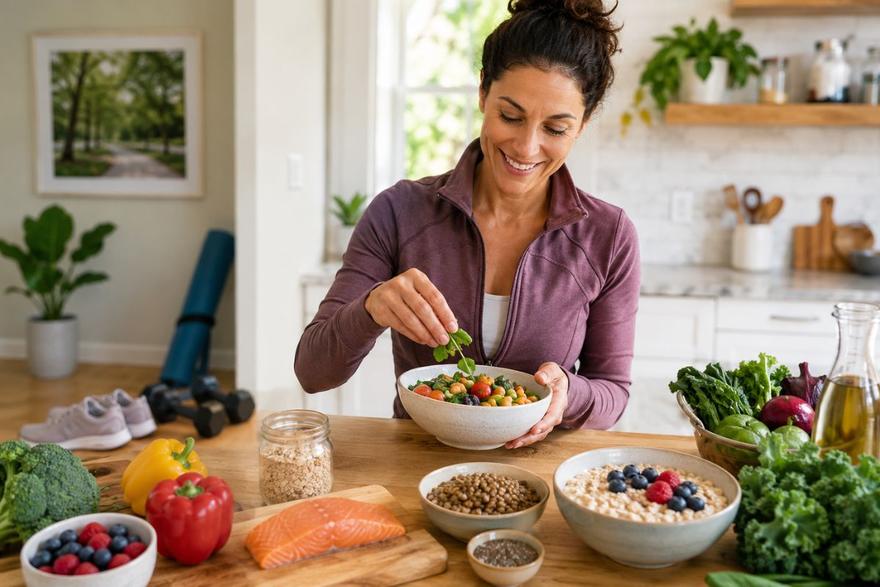
GLP-1 medications like Ozempic and Wegovy have changed the conversation around weight loss. They've also left many people wondering whether there are natural GLP-1 alternatives that can support weight management without injections.
The answer requires a little context.
Your body already produces GLP-1, or glucagon-like peptide-1. This hormone plays an important role in appetite, digestion, blood sugar regulation, and feelings of fullness. Certain foods, exercise, and lifestyle habits can support your body's natural GLP-1 response.
That doesn't mean fiber, protein, exercise, or supplements can replicate the effects of prescription GLP-1 medications. They can't. But they can support some of the same systems involved in appetite regulation and metabolic health.
When people search for natural GLP-1 alternatives, they're often looking for ways to support their body's natural GLP-1 response through dietary fiber, protein, exercise, gut health, sleep, stress management, and, in some cases, supplements under professional guidance.
In my nutrition and fitness practice in Acton, MA, I've spent more than 14 years helping people build sustainable approaches to weight management and metabolic health. Instead of relying on one food, supplement, or quick fix, I look at how nutrition, movement, sleep, stress, and metabolic health work together.
Let's look at seven ways you can support that process naturally.
What Is GLP-1 and Why Does It Matter?
GLP-1 is a naturally occurring hormone produced primarily in your gut. After you eat, your body releases GLP-1 as part of its normal digestive and metabolic response.
GLP-1 helps:
Signal feelings of fullness to your brain
Slow stomach emptying
Support appropriate insulin release after eating
Regulate glucagon and blood sugar
These effects are part of the reason GLP-1 has become such an important target for weight management.
Prescription GLP-1s such as Ozempic and Wegovy are among the fda approved medications used to help people lose weight, and they work by activating GLP-1 receptors with effects that are much stronger and longer-lasting than your body's natural GLP-1 response.
Natural strategies work differently. Rather than trying to reproduce the pharmacological effect of weight loss medications, the goal is to support your body's existing appetite, blood sugar, digestive, and metabolic systems so you can lose weight in a way that fits your needs.
7 Natural GLP-1 Alternatives for Weight Loss
1. Eat More High-Fiber Foods
If you're looking for one place to start, take a look at how much fiber you're eating.
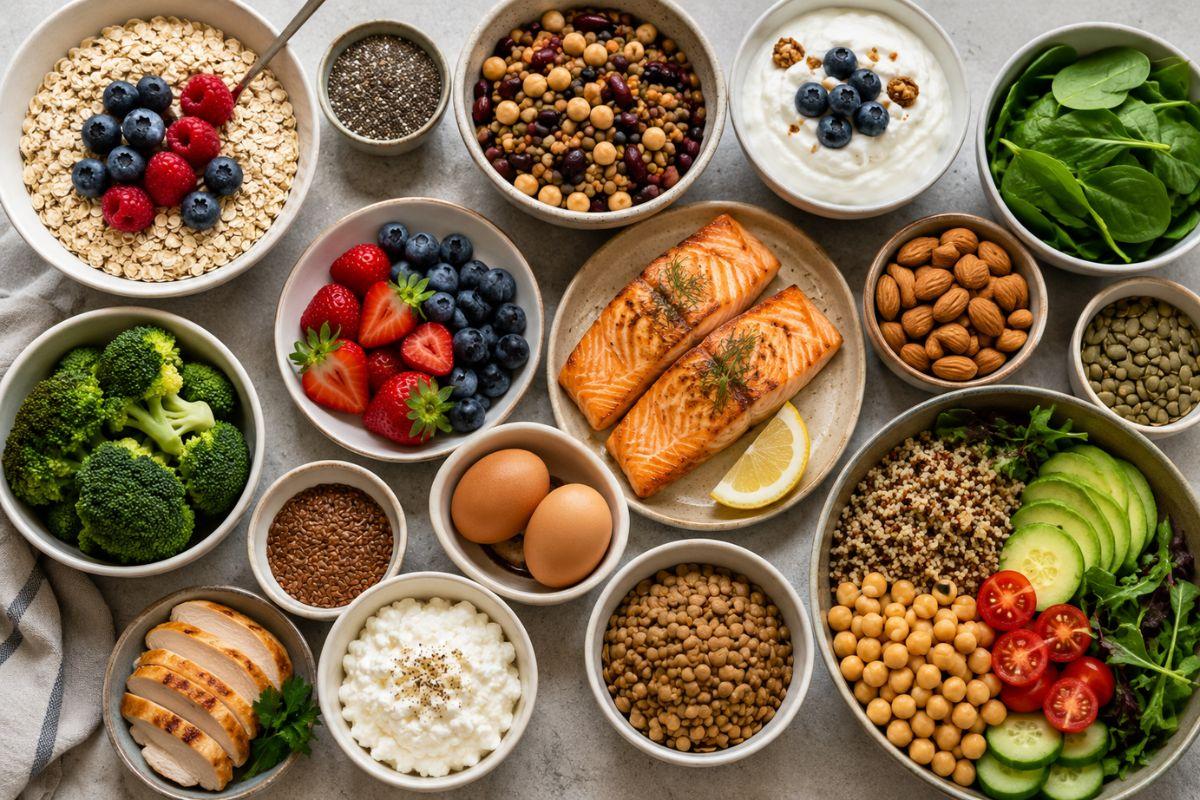
Soluble and fermentable fibers found in foods such as oats, legumes, chia seeds, vegetables, and psyllium can help slow digestion and increase feelings of fullness.
Fiber also feeds beneficial bacteria in your gut. When these bacteria ferment certain fibers, they produce short-chain fatty acids. Research suggests these compounds may play a role in stimulating the body's natural secretion of hormones such as GLP-1.
Good sources of fiber include:
Oats
Lentils and beans
Chia and flax seeds
Berries
Vegetables
Whole grains
Psyllium husk
Many adults can benefit from gradually increasing fiber intake toward recommended levels, although individual needs vary.
For breakfast, something as simple as oatmeal topped with blueberries and chia seeds combines several fiber-rich foods in one meal.
If your current diet is low in fiber, increase it gradually and drink plenty of water. Adding too much fiber too quickly can cause bloating or digestive discomfort.
2. Prioritize Protein Throughout the Day
Protein is another important piece of the appetite and weight-management puzzle.
Research suggests protein-containing meals can stimulate the release of satiety hormones, including GLP-1. Whey protein has been studied extensively, but you don't need to rely on protein shakes to get the benefits of including adequate protein in your diet.
Whole-food protein sources include:
Eggs
Fish
Chicken and turkey
Greek yogurt
Cottage cheese
Beans and lentils
Tofu and other soy foods
Instead of saving most of your protein for dinner, try spreading it throughout the day.
For example, you might have eggs or Greek yogurt at breakfast, add chicken or beans to lunch, and choose fish or another quality protein source at dinner.
Pairing protein with fiber-rich carbohydrates can also help create a more satisfying meal, reduce cravings, and support a steadier blood sugar response.
3. Consider Berberine Carefully
Berberine has received a lot of attention online, sometimes earning the nickname "natural Ozempic."
That comparison is misleading.
Berberine is a plant compound that has been studied for its potential effects on blood sugar, lipid metabolism, and body weight. Research suggests it may have modest benefits for certain metabolic markers, including effects on AMPK and energy metabolism that may help lower blood sugar levels, but it does not work the same way as prescription GLP-1 medications and should not be considered a natural replacement for Ozempic or Wegovy.
Research suggests berberine may influence several pathways involved in glucose and lipid metabolism, although its exact role in weight management is still being studied. Its effects on weight appear much more modest than those associated with prescription GLP-1 medications, and more research is still needed before stronger conclusions can be made.
Berberine also isn't appropriate for everyone.
It can interact with medications, including medications that affect blood sugar, and it may cause gastrointestinal side effects. The same caution applies to other products marketed for metabolic benefits, such as NAC, especially when quality control varies widely between brands.
If you're interested in berberine or another supplement, talk with a qualified healthcare professional who understands your medical history and current medications. That kind of medical guidance can help you weigh safety, possible interactions, and whether a supplement fits your goals.
In my practice, I prefer to build the foundation first: nutrition, movement, sleep, stress management, and consistency. Supplements can be considered when appropriate, but they shouldn't replace those fundamentals, which are more likely to support better metabolic health. Pairing protein with fiber-rich carbohydrates may also help reduce cravings between meals.
4. Use Exercise to Support Your Natural GLP-1 Response

Exercise does much more than burn calories.
Research suggests aerobic exercise can influence appetite-regulating hormones, including GLP-1, while regular physical activity improves insulin sensitivity, cardiovascular health, and overall metabolic function.
You don't need an extreme workout program.
Try starting with:
A 30-minute brisk walk
Cycling
Swimming
Hiking
Using an elliptical or treadmill
Another form of moderate aerobic activity you actually enjoy
Consistency matters more than finding the "perfect" exercise.
Here in Acton, that might mean getting outside for a walk when the weather cooperates and having an indoor option ready for the colder Massachusetts months.
I also recommend combining aerobic activity with strength training and regular exercise to support weight management and help improve markers such as high blood pressure.
When weight loss is the goal, maintaining muscle matters. Strength training helps preserve lean mass, supports physical function, and can contribute to long-term metabolic health.
5. Support Your Gut Health
Your digestive system and metabolism are closely connected.
The bacteria living in your gut help break down certain fibers and produce compounds such as short-chain fatty acids. Researchers are continuing to study how these compounds interact with appetite-regulating hormones, including GLP-1, and how they may also influence blood sugar levels.
Rather than chasing a specific probiotic strain, start by feeding your gut a diverse range of whole foods.
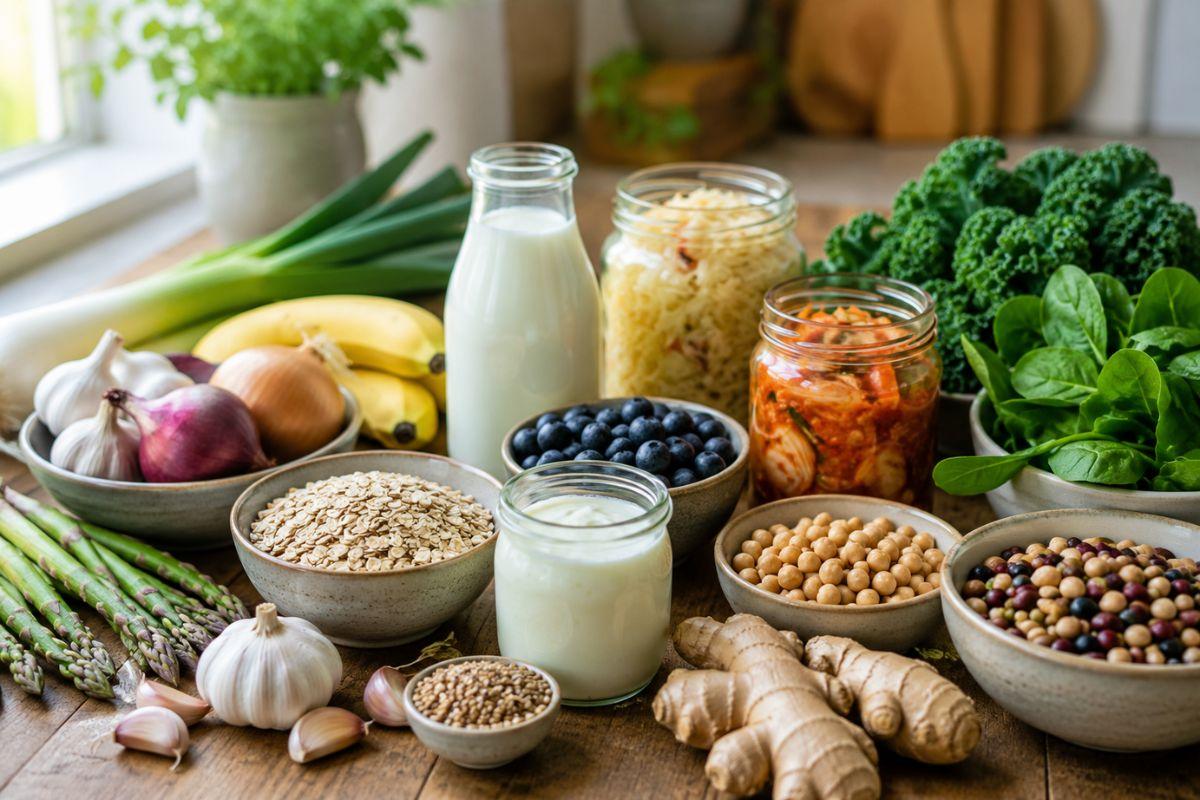
Prebiotic foods include:
Garlic
Onions
Asparagus
Leeks
Oats
Bananas
Legumes
Chicory root
Fermented foods can also be part of a gut-friendly diet:
Plain kefir
Yogurt with live cultures
Sauerkraut
Kimchi
You don't need to eat every food on the list. The goal is variety.
A healthy gut isn't built with one probiotic or one "superfood." It's supported by the pattern of foods you eat consistently.
6. Prioritize Sleep and Stress Management
Nutrition and exercise get most of the attention in weight-loss conversations, but sleep and stress deserve a place at the table.
Inadequate sleep can affect appetite, food choices, insulin sensitivity, energy levels, and the hormones involved in hunger and fullness. Gut-related changes, including shifts in short-chain fatty acids and appetite-regulating hormones, may also affect blood sugar levels.
Stress matters, too.
When you're constantly running on stress and sleeping five hours a night, sticking with healthy eating and exercise becomes much harder, and emotional eating can become more likely. Your body isn't operating in isolation from the rest of your life.
Aim for approximately 7 to 9 hours of sleep each night when possible.
Simple habits can help:
Keep a consistent bedtime and wake time
Reduce screens shortly before bed
Keep your bedroom dark and comfortable
Get outside during daylight hours
Build short periods of relaxation into your day
Stress management doesn't have to mean an hour of meditation.
A walk, 10 minutes of quiet breathing, time outside, or simply creating more space between commitments can all help.
7. Build More Plant Variety Into Your Diet
Beyond simply eating more fiber, increasing the variety of plant foods in your diet can expose your gut microbiome to a broader range of fibers and plant compounds.
Researchers have also become interested in the relationship between bitter taste receptors in the digestive system and gut hormones such as GLP-1.
The science around bitter foods and GLP-1 is still developing, so I wouldn't build an entire weight-loss strategy around them. However, many bitter and plant-rich foods are nutritious additions to an overall healthy diet.
Examples include:
Arugula
Chicory
Artichokes
Leafy greens
Ginger
Turmeric
Green tea
A variety of colorful vegetables
An easy place to start is adding another vegetable to lunch or dinner, using arugula or other leafy greens in salads, drinking unsweetened green tea, or using herbs and spices more frequently when cooking. Paying attention to your eating patterns can also make these choices easier to repeat, and ongoing stress may contribute to emotional eating, which can make weight management harder.
The goal isn't to find a secret GLP-1 food. It's to build meals around a wide variety of nutrient-dense whole foods.
What Does a Natural GLP-1-Supporting Day Look Like?
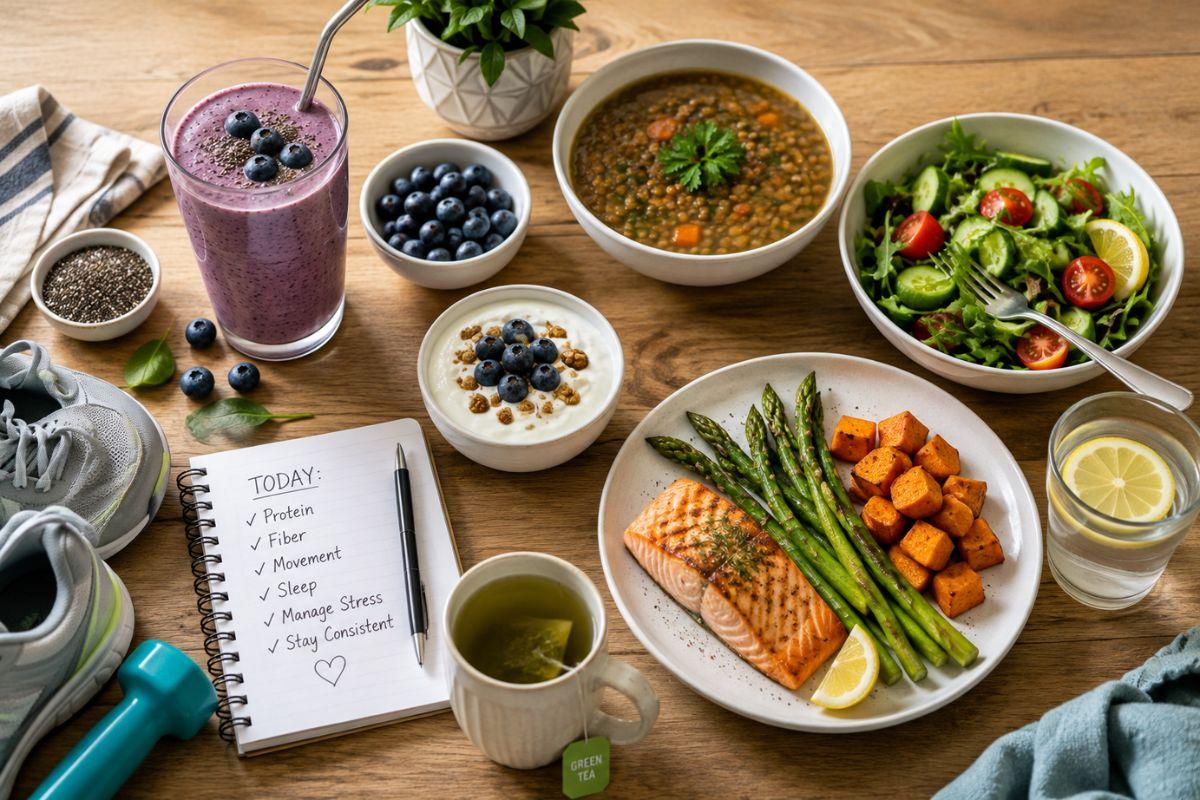
You don't need a complicated meal plan to put these strategies into practice.
Here's one example of what a day focused on protein, fiber, whole foods, movement, and metabolic health might look like.
Morning
A protein smoothie with blueberries, spinach, and a fiber source such as chia seeds or psyllium husk.
Lunch
Lentil soup with a side salad made with arugula, vegetables, olive oil, and lemon.
Afternoon
A 30-minute brisk walk followed by unsweetened green tea.
Dinner
Grilled fish with roasted asparagus, vegetables, and a small serving of quinoa or another whole grain.
Evening
Wind down at a consistent time and give yourself enough opportunity for 7 to 9 hours of sleep.
You don't need to follow this exact menu.
The goal is to combine protein, fiber, whole foods, movement, and adequate recovery in a way that fits your lifestyle, preferences, and health needs.
If you have diabetes, digestive concerns, food allergies, or other medical needs, your ideal meal structure may look different.
Natural GLP-1 Strategies vs. Prescription GLP-1 Medications

It's important to set realistic expectations.
Lifestyle strategies and prescription GLP-1 medications are not equivalent treatments.
Medications such as semaglutide are designed to produce much stronger and longer-lasting activation of GLP-1 receptors than the natural GLP-1 response triggered by food or exercise. For some people, these medications may be an appropriate part of medically supervised treatment.
Natural lifestyle strategies have a different purpose.
They can:
Support overall metabolic health
Improve the quality of your diet
Help regulate appetite and blood sugar
Build habits you can maintain long term
Support muscle maintenance when strength training is included
Complement medically supervised weight-loss treatment when appropriate
And unlike a medication that targets a specific biological pathway, healthy lifestyle habits benefit far more than your GLP-1 response.
They can support cardiovascular health, strength, energy, digestion, sleep, and overall quality of life.
If you're currently taking a GLP-1 medication, don't stop or change your medication based on information in an article. Talk with the healthcare professional managing your treatment.
Why Choose Crossroads to Health for Natural Weight Loss in Acton, MA?
You can find plenty of information about protein, fiber, exercise, and weight loss online.
The harder part is figuring out what actually makes sense for you.
At Crossroads to Health in Acton, Massachusetts, I offer individualized nutrition and fitness coaching with input from healthcare professionals to support sustainable weight management.
Instead of handing everyone the same meal plan or exercise routine, we build a treatment plan around your health goals, current habits, schedule, nutrition, movement, and other factors that may be affecting your progress.
My one-on-one coaching may include:
Personalized guidance with nutrition support
Protein and fiber goals based on your needs
Customized exercise programming with behavioral support
Aerobic and strength training guidance
Sleep and stress support
Regular accountability to support long term success
Strategies designed around your lifestyle so you can find the right alternative
The goal isn't a quick fix.
It's to build an approach you can realistically continue.
When Should You Talk With a Healthcare Provider?
Lifestyle changes can benefit many people, but weight and metabolic health can also be affected by medical conditions, medications, hormones, and other factors.
Talk with your healthcare provider if you:
Take medication that affects blood sugar
Are currently using or considering a GLP-1 medication
Are considering supplements such as berberine
Have a medical condition that may affect weight or metabolism
Want to stop or change a prescription medication
Supervised medical weight management programs provide structured care, and my coaching can complement that process when appropriate. Instead of handing everyone the same meal plan, I build coaching around your goals, health history, and personalized guidance so you can find the right alternative for your needs with medical guidance when needed. If you have health conditions that affect eligibility, coverage, or treatment decisions, those details matter. That also includes situations involving a diabetes drug or an off-label approach, which should be reviewed with healthcare professionals. My one-on-one coaching may be part of a structured treatment plan and may include:
Behavioral support to build habits, routines, and consistency
Nutrition support tailored to your preferences, schedule, and goals
Regular accountability with regular check-ins to track progress and coordinate with medical care when needed
The goal isn't a quick fix, but a sustainable approach that supports long term success.
Frequently Asked Questions About Natural GLP-1 Alternatives
What are the best natural GLP-1 alternatives?
There isn't a natural equivalent to prescription GLP-1 medications. However, several lifestyle strategies can support your body's natural GLP-1 response and metabolic health. These include eating more fiber-rich foods, prioritizing protein, exercising regularly, supporting gut health, getting adequate sleep, and managing stress.
Can you boost GLP-1 without medication?
Your body naturally produces GLP-1 after you eat. Research suggests factors such as dietary protein, certain types of fiber, and physical activity can influence your body's natural GLP-1 response. These effects are not as strong or long-lasting as prescription GLP-1 medications.
What is the closest natural alternative to Ozempic?
There is no food, supplement, or lifestyle strategy that works the same way as Ozempic. Berberine is sometimes marketed online as "nature's Ozempic," but the comparison is misleading. It works through different mechanisms, and research suggests its effects on weight are considerably more modest.
Does berberine work for weight loss?
Research suggests berberine may have modest effects on body weight and certain metabolic markers in some people. However, results vary, people looking for Ozempic or semaglutide alternatives should know no natural option works the same way as the medication, and more research is still needed. Because berberine can interact with medications and cause side effects, talk with a healthcare professional before taking it.
What foods can help support natural GLP-1 production?
Protein-rich foods and foods containing soluble or fermentable fiber may support your body's natural GLP-1 response. Examples include eggs, fish, Greek yogurt, beans, lentils, oats, vegetables, berries, chia seeds, and other minimally processed whole foods.
How long does natural weight loss take?
There isn't one timeline that applies to everyone. Your starting point, health, nutrition, activity level, sleep, stress, and consistency all influence your progress. Sustainable weight loss usually comes from habits you can maintain rather than trying to reach a specific number as quickly as possible.
Build a Weight Loss Approach You Can Sustain
You don't need to chase every new supplement or nutrition trend to support your metabolic health.
Start with the fundamentals:
Eat more fiber-rich whole foods
Prioritize protein throughout the day
Move consistently
Include strength training
Support your gut with a varied diet
Get adequate sleep
Find realistic ways to manage stress
These strategies won't turn your body into a natural version of Ozempic, and that's not the goal.
The goal is to support the systems your body already has while building habits that can help you manage your weight and health for the long term.
The best GLP-1 alternative is an approach you can actually sustain. Let's build yours together.
Book a Free 15-Minute Discovery Call to talk about your goals and see whether Crossroads to Health is the right fit for you.
About Eric Reardon
I'm Eric Reardon, and I've worked in nutrition and fitness for more than 14 years. I currently practice in Acton, Massachusetts, where Crossroads to Health offers both nutritional counseling and fitness training.
My training includes:
Master's degree from Eastern Kentucky University
Certified Nutrition Consultant training from Bauman College
ACE Certified Personal Trainer
Functional medicine training with Dr. Dan Kalish through The Kalish Method
My approach is individualized to your needs and looks beyond quick fixes to the nutrition, fitness, lifestyle, and metabolic factors that may be affecting your progress.